There's this moment in wedding planning where you suddenly realise how many moving pieces require coordination. Nowhere is this more apparent than with wedding stationery, where everything connects in a carefully orchestrated timeline. Order too early and you might need to change details. Wait too long and you're paying rush fees or stressing about whether everything arrives on time. Getting your stationery timing right removes considerable anxiety from an already complex planning process.
Here's the good news: thousands of couples have walked this path before you, and we've learned exactly what timing works best. Follow this timeline and you'll have every piece ready exactly when you need it, without last-minute panic or unnecessary rushing.
Eight to Twelve Months Out: Save the Dates
Your save-the-dates kick off your wedding stationery journey, and timing them correctly matters more than you might think. Order save-the-dates eight to twelve months before your wedding date. This gives you time for design consultation, proofing, printing, and mailing with comfortable buffer periods between each stage.
Why start so early? Design takes longer than couples usually anticipate, especially if you're creating custom work. You'll have initial consultations where you discuss style, colours, and overall vision. Your stationer creates concepts. You review, request changes, refine. This back-and-forth can easily consume three to four weeks. Then production requires another two to three weeks, sometimes longer for letterpress or elaborate techniques. By the time everything's printed, assembled, and addressed, that twelve-month head start suddenly feels entirely reasonable.
Save-the-dates should reach guests six to eight months before your wedding date. For destination celebrations or peak season Australian weddings where accommodation books quickly, mail them even earlier—eight to twelve months out. International guests need maximum notice for travel planning, so don't delay.
Order about twenty per cent more save-the-dates than you think you'll need. Guest lists inevitably expand as planning progresses. Having extras prevents expensive small reprints later. These extras also give you backups if you mess up addressing (everyone does occasionally) and provide keepsakes for yourselves and parents.
Four to Six Months Before: The Main Invitation Suite
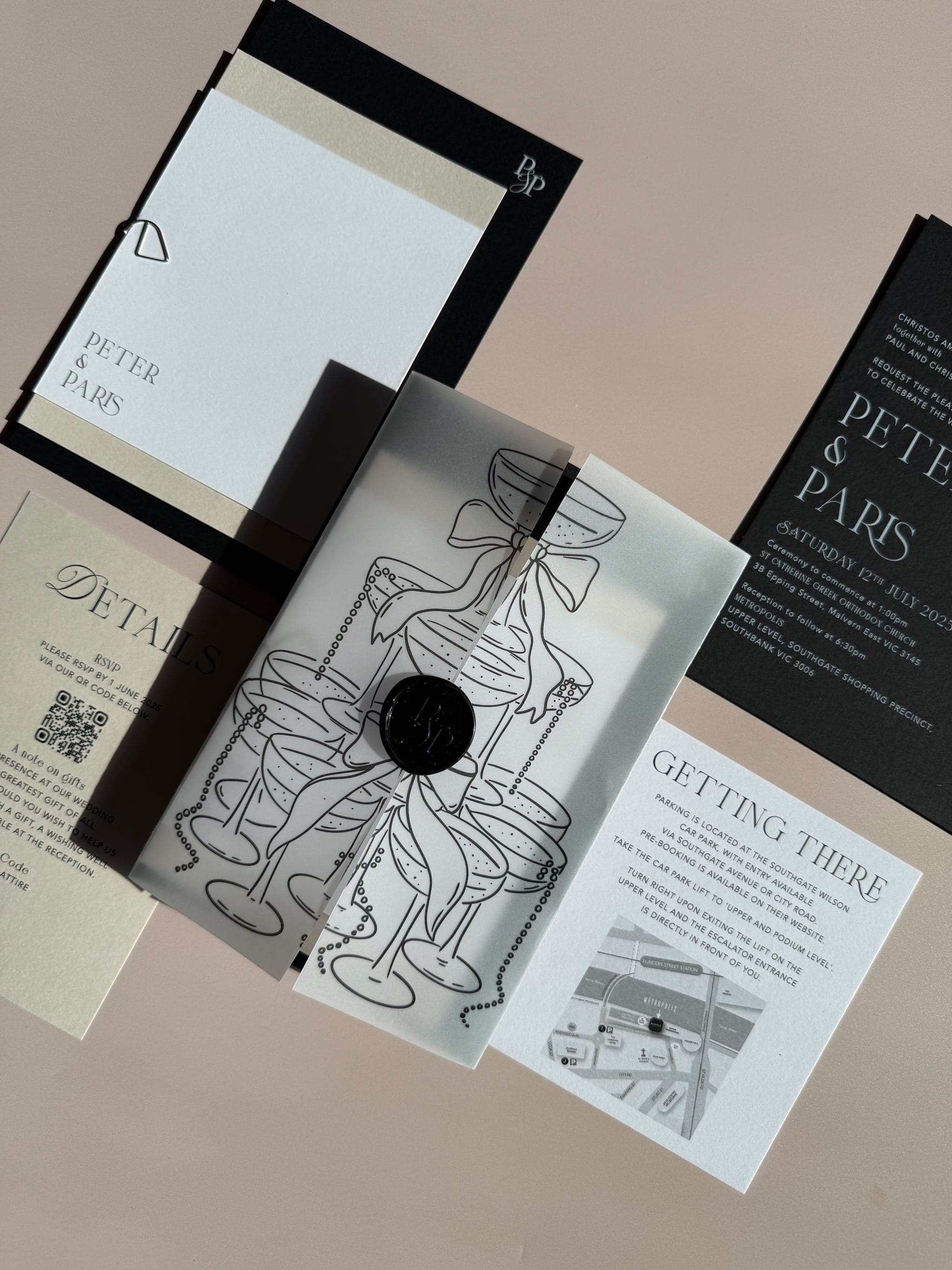
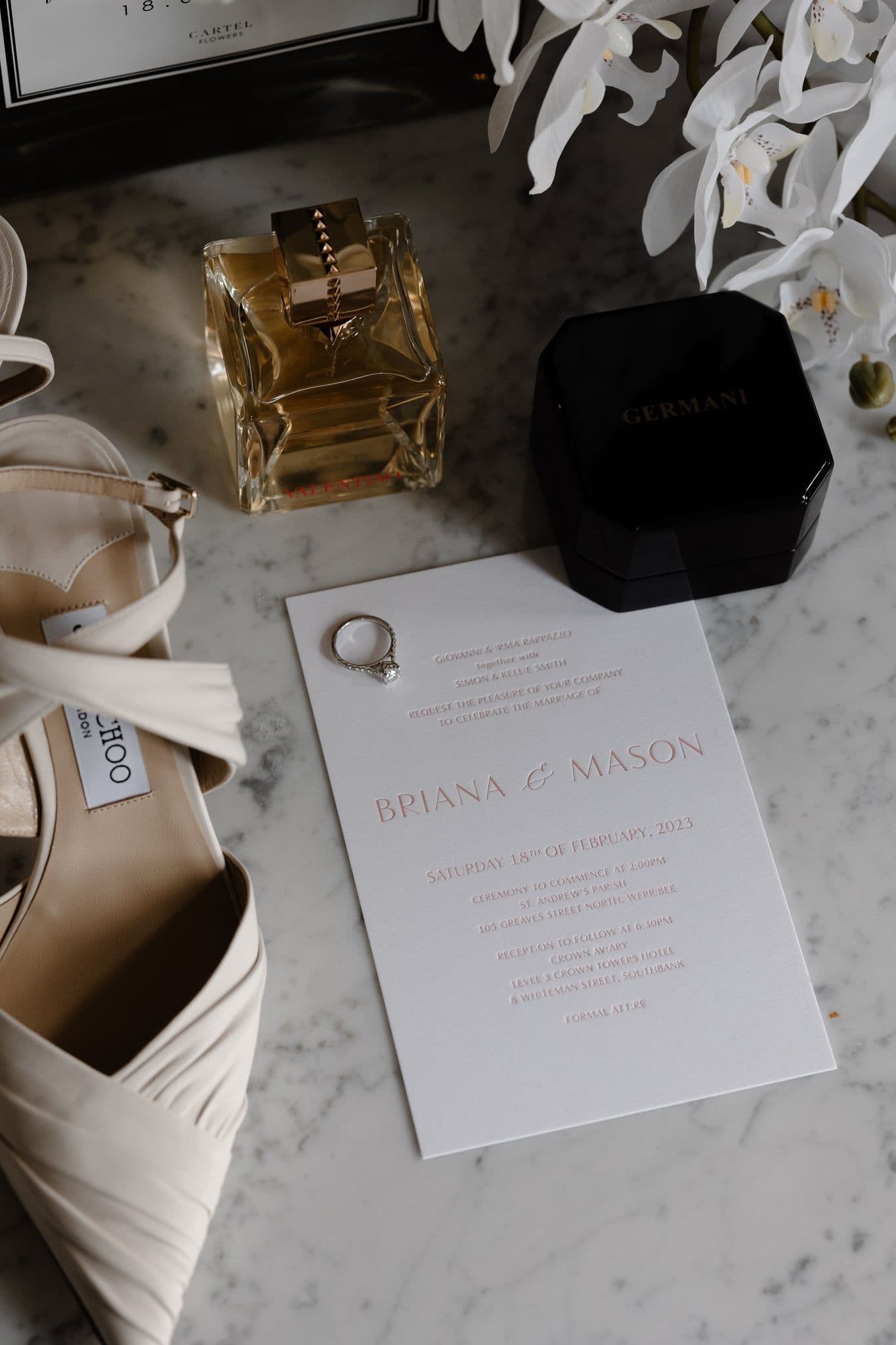
Your wedding invitations represent the centrepiece of your stationery collection, and their timeline deserves careful attention. Start the invitation process four to six months before your wedding date. This might seem excessive until you break down everything involved.
Week one through two involves design consultation and concept development. You'll discuss your vision, review paper samples, select printing methods, and explore design directions. Your stationer creates initial concepts based on these conversations. This creative phase can't be rushed—good design requires time to develop properly.
Weeks three through four focus on refinement. You review those initial concepts and provide feedback. Maybe the colours aren't quite right, or the layout needs adjustment. Your stationer makes revisions. You review again. This iterative process continues until everything feels perfect. Don't skimp on this phase—your invitations will be photographed, saved, and remembered. Getting every detail right matters.
Weeks five through six involve production. Printing quality invitations takes time, especially for premium methods like letterpress or foil stamping. Each colour requires a separate pass through the press. Quality control happens throughout production. Then comes cutting, folding, and assembly. For complex invitation suites with multiple layers, belly bands, or ribbon closures, assembly alone can take several days.
Weeks seven through eight handle addressing and mailing preparation. Whether you're hand-addressing envelopes (beautiful but time-consuming), using calligraphy services, or printing addresses, this step requires significant time. Then you need to assemble complete invitation packages, ensuring each envelope contains all necessary pieces. Finally, there's the actual mailing—taking everything to Australia Post, possibly arranging hand-cancelling for thick invitations.
By starting four to six months ahead, you build in comfortable buffers at each stage. Unexpected delays don't become emergencies. Rush fees stay unnecessary. Stress levels remain manageable.
Three to Four Months Before: Day-of Stationery Planning
Once your invitations are finalised, turn attention to ceremony and reception stationery. Three to four months before your wedding is the ideal time to order these pieces. You'll want designs that coordinate with your invitations while serving specific functional purposes throughout your celebration.
Ceremony stationery includes programs, reserved seating signs, welcome signage, and any special ceremony elements like memory tables or unity ceremony displays. Consider what information guests need as they arrive and during your ceremony. Programs help guests follow along, particularly valuable for religious or cultural ceremonies with unfamiliar traditions. Welcome signs create warm first impressions while helping guests confirm they're in the right location—especially useful at venues hosting multiple events.
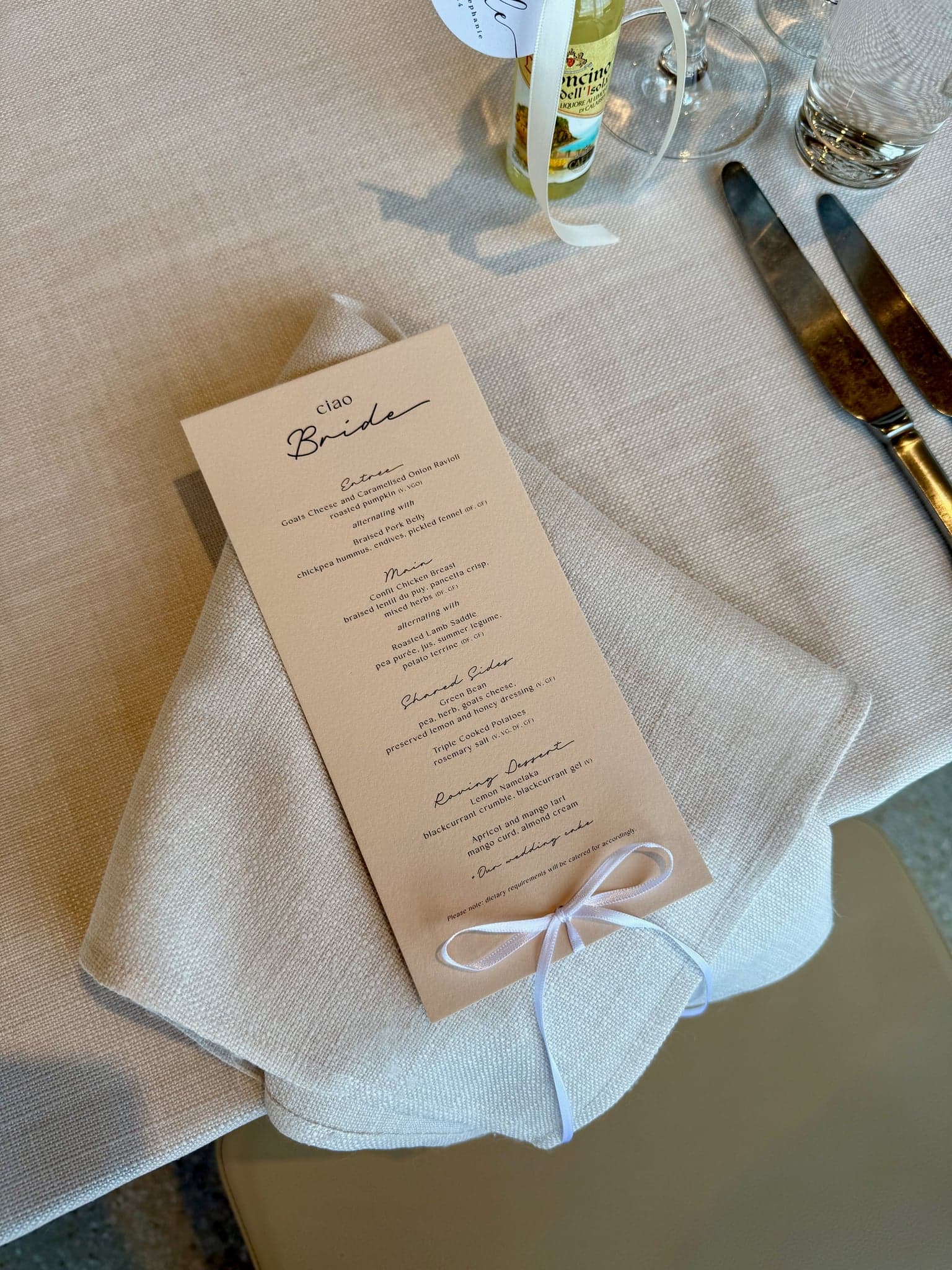
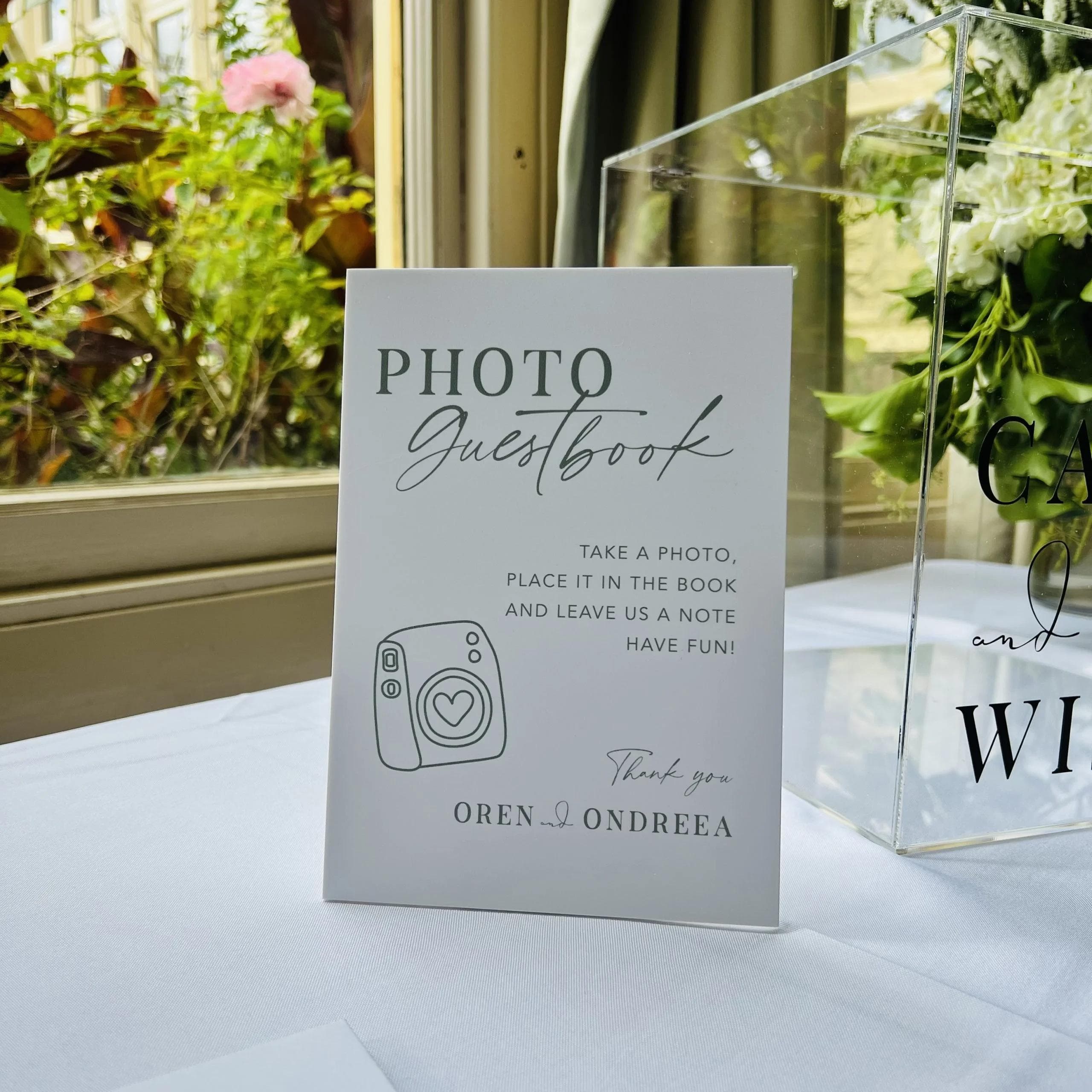
Reception stationery encompasses table numbers, escort cards or seating charts, menu cards, place cards, bar signage, and various decorative signs throughout your reception space. Take time to think through your reception flow. Where might guests need directional signs? What information would be helpful at the bar or dessert table? Thoughtful signage creates smoother guest experiences while adding personalised touches to your venue.
Order these pieces after your invitations are designed so everything coordinates beautifully. Many stationers offer package pricing when you order invitations and day-of stationery together, which can yield significant savings compared to piecemeal ordering.
Six to Eight Weeks Before: Final Details and Adjustments
This is when your planning timeline gets real. Six to eight weeks before your wedding, you'll have received RSVPs and confirmed your guest count. This final number affects several stationery elements, particularly place cards and menus. Now you can finalise exact quantities rather than estimating.
Seating charts require confirmed guest lists and finalised table arrangements. Work with your venue and caterer to determine table sizes and optimal layouts. Some couples change their minds about table arrangements multiple times—that's normal. Just ensure you finalise everything at least four weeks before your wedding so your stationer has adequate production time.
Place cards need accurate guest names and table assignments. If you're doing escort cards instead, you'll need the same information in a different format. This is where those RSVP responses become critical. Chase down any stragglers so you're not guessing about final numbers or leaving spaces for guests who never confirmed.
Last-minute additions inevitably arise. Maybe you decide you want cocktail napkins with your monogram, or you realise welcome bags for out-of-town guests need tags. Building a buffer into your timeline accommodates these additions without creating panic.
Special Considerations for Different Wedding Styles
Destination weddings require adjusted timelines. Add two to four weeks to every phase to account for shipping times and coordination across distances. If you're having a destination-style wedding in regional Victoria—Yarra Valley, Great Ocean Road, High Country—build in extra time for delivery logistics and setup coordination.
Peak season weddings during Australian autumn (March through May) and spring (September through November) face longer vendor lead times. Popular stationers book up quickly during these periods. If you're marrying in peak season, add a month to your initial planning timeline. Book your stationer early—nine to twelve months ahead isn't excessive for autumn weddings.
Intimate weddings with fewer than fifty guests offer more flexibility. You can often compress timelines slightly because quantities are manageable and production moves faster. That said, design and proofing still require the same time regardless of quantity, so don't cut corners on those phases.
Large weddings with over two hundred guests need extended timelines. Addressing two hundred fifty envelopes takes significantly longer than addressing seventy-five. Production times increase with quantity. Give yourself extra breathing room at every stage when dealing with large guest lists.
Custom Work Requires Extra Time
Custom illustrations add two to three weeks to your timeline. If you want your venue illustrated, custom floral designs, or personalised monograms, factor this additional time into your schedule. These artistic elements require initial sketches, your approval, revisions based on feedback, and final artwork development before printing even begins.
Hand lettering and calligraphy need extra time too. Whether you're having envelopes addressed by hand or incorporating hand-lettered elements into your design, these artisanal touches require substantial time investment. Most calligraphers handle limited quantities per day—addressing envelopes by hand might mean fifty to seventy-five per day maximum. For large guest lists, this translates to weeks of work.
Complex printing techniques extend production schedules. Letterpress printing with multiple colours requires several passes through the press with drying time between each colour. Foil stamping needs specialty setup and careful quality control. Embossing and debossing require creating custom dies before any production begins. If you're drawn to these premium techniques, start your timeline even earlier—six to eight months minimum for invitations.
Money-Saving Timeline Strategies
Strategic timing can significantly impact your budget. Ordering everything at once from the same stationer typically yields package discounts. Bundle your invitations, save-the-dates, and day-of stationery into one comprehensive order for better pricing than piecemeal purchases.
Avoid rush fees by planning ahead. Rush production usually costs twenty-five to fifty per cent more than standard timelines. Those fees add up quickly when you're ordering for one hundred fifty guests. Build adequate time into your schedule and save that money for other wedding priorities.
Consider digital elements strategically. Digital save-the-dates cost virtually nothing and arrive instantly. Reserve your stationery budget for printed invitations where that tactile experience matters most. Digital RSVPs eliminate reply card printing and postage while making response tracking easier. These hybrid approaches balance tradition with practicality.
Phase your orders intelligently. Order save-the-dates and invitations first when your design vision is clearest. Then order day-of stationery after your invitations are finalised, allowing time to see how you might refine or simplify elements based on your invitation experience.
Common Timeline Mistakes to Avoid
Don't wait to collect addresses. Start gathering guest addresses the moment you know your wedding date. Chasing down addresses from two hundred friends and family members takes weeks longer than anyone expects. Create a simple online form making it easy for people to submit their information. Follow up persistently with stragglers—someone always takes forever responding.
Never assume quick turnarounds. That Instagram designer whose work you love? They're probably booked months ahead. The letterpress studio creating those gorgeous debossed invitations? They need eight weeks minimum. Factor realistic timelines into your planning rather than hoping everyone can accommodate last-minute requests.
Build buffers between milestones. Don't plan for your invitations to arrive on Monday and mail them Tuesday. What if shipping delays push delivery to Wednesday? Suddenly you're behind schedule. Buffer periods absorb inevitable small delays without derailing your entire timeline.
Confirm vendor availability before committing to dates. Book your stationer before finalising other timeline decisions. Their capacity and schedule should influence your planning timeline, not the other way around. Popular stationers book up quickly—if you want to work with someone specific, secure them early.
Your Personalised Timeline Checklist
Create your own timeline by working backwards from your wedding date. Twelve months before, book your stationer and start discussing save-the-dates. Eight months ahead, send those save-the-dates. Six months out, begin the invitation process. Four months before, finalise invitations and start day-of stationery. Eight weeks ahead, confirm final guest counts and complete place cards. Two weeks before, deliver everything to your venue.
This framework adapts to your specific situation. Adjust for your guest count, stationery complexity, chosen printing methods, and seasonal considerations. The principle remains constant: start earlier than you think necessary, build in buffers, and communicate clearly with your stationer about expectations and deadlines.
Working With Your Stationer
Your stationer is your timeline partner. Have honest conversations about your wedding date, desired production schedule, and any inflexible deadlines. Ask about their typical production times, busy season constraints, and recommendations for your specific situation. Experienced stationers have handled hundreds of weddings—trust their guidance on realistic timelines.
Provide requested information promptly. When your stationer needs your guest list, finalised wording, or approval on proofs, respond quickly. Every day you delay is a day lost from your production schedule. Set reminders to check email regularly during the design and proofing phases so nothing languishes in your inbox waiting for feedback.
Understand revision limits. Most stationers include a specific number of design revisions in their pricing. Unlimited revisions sound nice but often extend timelines significantly. Make each round of feedback count by reviewing thoroughly and providing comprehensive feedback rather than trickling changes across multiple rounds.
The Peace of Mind Factor
Proper timeline planning delivers something valuable beyond just having stationery ready on time—it provides peace of mind. You're not scrambling. You're not stressed. You're not paying rush fees or accepting compromises because time ran out. Instead, you're calmly ticking items off your checklist, watching your stationery vision come together exactly as you hoped.
Wedding planning involves enough stress without adding stationery deadlines to your worry list. Follow this timeline, communicate clearly with your stationer, and build in reasonable buffers. Your invitations will arrive beautifully and on time, letting you focus on the thousand other details demanding your attention.
Ready to start your wedding stationery timeline? We'd love to help you create a personalised schedule that ensures every piece arrives exactly when you need it, with zero stress and beautiful results throughout.